I was standing alone in the kitchen for the umpteenth time—the one I had carefully curated after years of working in the restaurant industry. With the help of friends and family, I had manifested every last detail from my kitchen vision board into reality. It was a place where I usually honed my happiness. But not today.
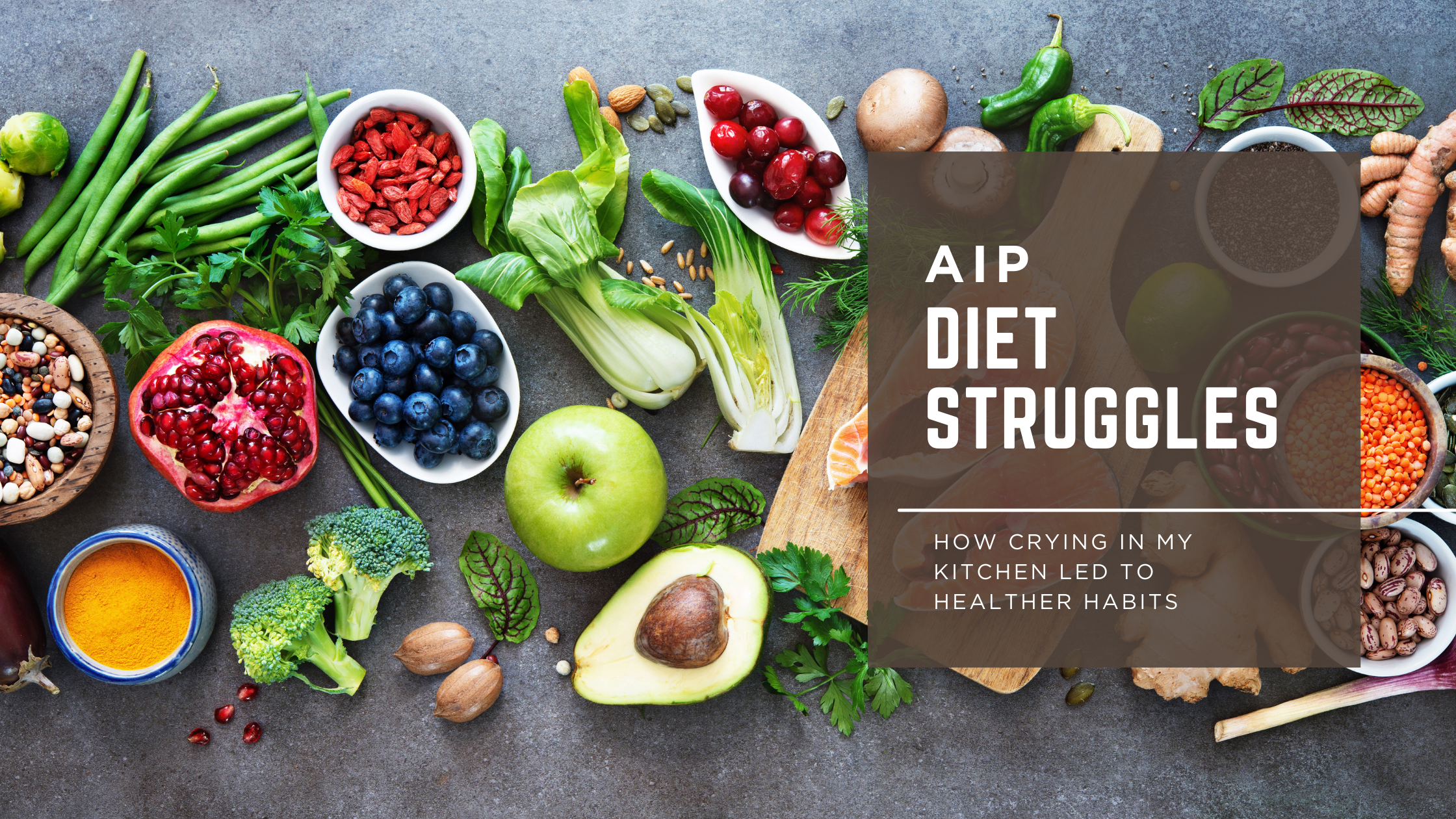
This morning, I stood in the middle of it with tears streaming down my face, teetering on the edge of a full-on panic attack. The blame rested entirely on lunch. I was starving and exhausted, several weeks into an elimination diet—an endeavor I had been told would finally help me identify the foods triggering a multitude of health challenges connected to my recent autoimmune diagnosis.
I wanted to eat, but I didn’t want it to take thirty minutes to prepare or another fifteen to clean up. I didn’t want to learn a new recipe. I didn’t want unseasoned food. I didn’t want another freaking vegetable. I just wanted a comforting bowl of orange chicken on rice straight from the familiar Chinese takeout container sitting in my fridge—one that, frustratingly, belonged to someone else in the house.
This challenging moment passed, as have many others in my health journey. I persevered. I found enjoyable ways to integrate health shifts into my lifestyle, and today I thrive. But that vulnerable moment could easily have set me back. Instead, I dried my tears, reminded myself of the “why” behind this experiment, and made lunch. Once I filled my belly, I felt like a saner, more stable person again.
That day became a turning point. As I sat in my newly renovated kitchen, finally satisfied, I couldn’t help but think about how this heart of my home had come to life. It hadn’t happened overnight—I built it one small step at a time, with the help of friends and family. That’s when it hit me: I needed to borrow the same approach for my health. Small, steady shifts—not drastic overhauls—would be the way forward.
What I’ve learned since then is that lasting lifestyle changes don’t have to feel this overwhelming. I could have saved myself enormous stress by approaching nutrition through gentle shifts. In fact, the stress I created by forcing rigid rules actually worsened my symptoms, canceling out much of the progress I hoped to make with the diet.
With the perspective I have now, I understand there’s a less aggressive way to approach an AIP elimination-style diet. Instead of stripping everything out at once, I could have removed one food at a time and paid close attention to how my body responded—without layering in all the extra stress of trying to overhaul everything in one sweep.
The truth is simple: honoring the connection between nutrition, body health, and mind health is far more effective than obsessing over restriction.
We know this intuitively, but modern food culture often clouds the picture with convenience, advertising, and addictive combinations of sugar and fat. Yet our gut is at the center of body and mind health. When we nourish with whole foods prepared with intention, we give our bodies the foundation to move with more ease and less pain. Balanced nutrition also reduces stress hormones like cortisol and increases serotonin, our natural “feel good” chemical—making calm and happiness easier to access.
Here are three simple, supercharged ways to start building micro-momentum:
1. Add color before you subtract.
Don’t begin by cutting things out. Instead, focus on adding nutrient-rich foods. Start small: add spinach to your eggs, a pear to your breakfast, or an apple at lunch. Toss some raisins into rice, kale into soup, or roasted squash on the side at dinner. Over time, colorful foods naturally crowd out less nourishing choices.
2. Notice the food–mood connection.
Pay attention to how different foods make you feel. Heavy carb-loaded meals often leave us sluggish, while lighter, nutrient-rich meals sustain energy. Use these discoveries to guide your shifts—let your own body’s feedback be the motivation.
3. Build a bridge with support tools.
Sometimes convenience is key. I’ve found value in bridging the gap with Juice Plus+—clinically researched powders and capsules made from fruits, vegetables, and plant-based omegas. Their superfood powder alone equals over 30 fruits, veggies, and berries. For me and my family, it’s been a simple way to stay consistent while reworking our plates toward more whole foods.
Real transformation doesn’t come from overhauling everything overnight. It comes from making small, realistic shifts that fit your life. When you define “healthy” for yourself and move toward it one step at a time, change becomes enjoyable—and sustainable.
I invite you to make changes you can sustain for a lifetime. Keep them small, keep them realistic, and trust that the momentum will build. That’s where transformation happens.
If you’re curious about diving deeper, here are some resources I recommend from my own journey:
- Nutrient Dense Cookbook
- Say Yes with Kat Podcast: Nutrition That Sticks – includes a companion workbook
Wishing you a wealth of health on your journey.
-Kat